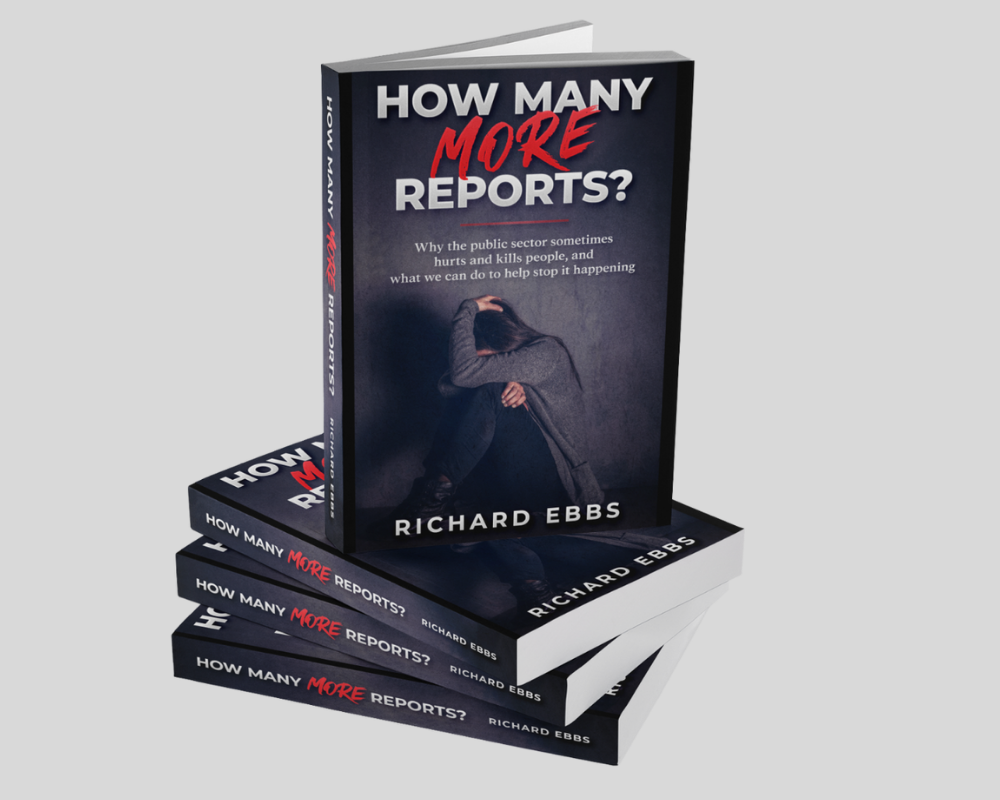
Including whistle blowers’ videos in our video gallery was not by chance. I wanted to make sure we could hear some of these people telling their stories. They often face hardship, ridicule, and character assassination just for standing up and speaking out, even though some people are alive today because these people had the courage to do so.
In the book we saw, too, that whistle blowing is just at the extreme end of challenging. Many of those people that have done this tried multiple different ways, and times, to get people to act, who could have stopped the problem. The fact they had to speak up shows that their initial efforts failed.
This got me thinking about whistle blowing. What is it, and what distinguishes it from a concerned employee simply flagging up something for attention or action? Who decides this?
I think the decision whether someone is a whistle blower, or a concerned employee often lies with the employer. Now this may well be sector specific, but in many of the cases we looked at, people didn’t realise they were, nor did they set out to be whistle blowers. They saw a problem and tried to flag it up, assuming that the person they spoke to would understand and investigate, correct the problem, or act. They only became whistle blowers after those attempts failed. This highlights something obvious. It is the lack of recognition of what the person is doing from the manager, or the person being spoken to. They often went from person to person to person, but no one told them, ‘You are a whistle blower, and we have a procedure for that. This is what you need to do…….’ Why weren’t they told that? It suggests that the person being approached was unsure what to do, or perhaps wished that the other person had kept their mouth shut or told someone else. The person who is passing on the information is not in control; they are doing what they think is right or are being told to do. Now it may be, in some workplaces, that there are well designed processes in place that work well, but I’m confident that is not the case everywhere.
This concerns me about whistle blowing. The person speaking up might not have a choice about how they are treated, or what ‘category’ of person there are treated as. Often, they are simply doing what they think is the right thing. It also means that organisations may set up elaborate systems, not realising that, much lower down, people who are speaking up are not being guided to that system. As I noted, there is, certainly in the UK, legal protection for whistle blowers.